
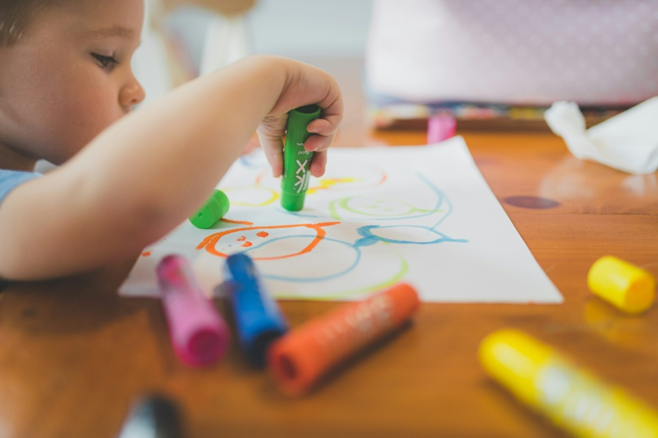
Every student walks into a classroom carrying a different story. Some learn best through visuals, others through conversation, and others through hands-on activities that let them move and explore. When schools recognize this reality and design spaces around it, something shifts. Students feel seen, engagement rises, and the whole environment becomes a place where growth actually happens.
Building healthier learning environments is not about a single policy or a trendy new framework. It is about a sustained commitment to understanding what different learners need and then making thoughtful, practical changes to meet those needs.
How Higher Education Is Shaping the Future of Inclusive Teaching
The push for healthier learning environments does not start and end in elementary classrooms. Much of the real momentum begins at the university level, where future educators are trained. The way teachers are prepared during their college years directly shapes how they will approach diverse classrooms once they graduate and step into schools of their own.
Over the past decade, colleges and universities have expanded their programs to better equip educators with the tools they need. Coursework now frequently covers topics like differentiated instruction, assistive technology, culturally responsive teaching, and behavioral support strategies. This shift matters because teachers who are exposed to a wide range of approaches during their training years tend to carry those skills into their careers with greater confidence.
One area that has grown significantly is the availability of Special Education online degrees, which allow aspiring educators to develop specialized knowledge without needing to relocate or pause their current responsibilities. These programs have opened doors for working professionals, career changers, and people in rural areas who might not have had access to such training a generation ago. The flexibility of online learning, paired with rigorous academic standards, means more qualified professionals are entering classrooms ready to support students with a wide range of learning differences.
Beyond individual degree programs, universities are also rethinking how general education majors are trained. Rather than treating inclusion as an elective or afterthought, many institutions now weave it into the core curriculum. This ensures that every future teacher, not just those specializing in specific fields, walks away with a foundational understanding of how to support learners who think, process, and communicate differently.
Designing Physical and Emotional Spaces That Support All Learners
A healthier learning environment is not just about what happens during a lesson. It is also about the space itself. Classrooms that are rigid, overly stimulating, or emotionally cold can quietly push struggling students further to the margins.
Thoughtful classroom design can make a meaningful difference. Flexible seating, quiet corners for students who need to regulate, clear visual schedules, and organized layouts all contribute to a space where different kinds of learners can function more comfortably. These are not extravagant changes. They are small, intentional choices that signal to every student that the room was built with them in mind.
Equally important is the emotional climate. Students who feel judged, rushed, or misunderstood tend to shut down. Teachers who build warm, predictable relationships with their students create a kind of emotional safety net. When a child knows that their teacher will respond with patience rather than frustration, they are far more likely to take risks, ask questions, and stay engaged even when the material feels hard.
Schools that invest in social and emotional learning alongside academic instruction tend to see improvements not just in behavior, but in overall classroom culture.
Collaboration Between Families, Educators, and Support Staff
No teacher can do this work alone. One of the most overlooked aspects of building inclusive environments is the role that families and support staff play in the process. When communication between home and school is strong, students benefit from consistency across settings.
Parents and caregivers often hold valuable insight into how their child learns best, what triggers stress, and what motivates them. When educators actively invite that input rather than treating families as passive recipients of updates, the partnership strengthens. Regular check-ins, open-door communication, and a genuine willingness to listen go a long way.
Support staff, including counselors, speech therapists, occupational therapists, and paraprofessionals, also play a critical role. When these professionals are treated as full partners in the educational process rather than peripheral figures, the support network around each student becomes far more effective.
Using Adaptive Tools and Technology to Reach Every Learner
Technology has become a quiet but powerful ally in the effort to support diverse learners. When used thoughtfully, adaptive tools can meet students exactly where they are and give them pathways to engage with material in ways that suit their individual strengths.
For students who struggle with traditional reading, text-to-speech software and audiobooks can open up entire worlds of content that would otherwise feel inaccessible. For those who have difficulty with handwriting or fine motor tasks, speech recognition tools and alternative input devices make it possible to express ideas without the physical barrier getting in the way. These tools do not replace good teaching. They extend its reach.
Interactive learning platforms that adjust difficulty in real time also play a growing role. When a student is breezing through material, the platform raises the challenge. When they are struggling, it slows down and offers additional support.
Keeping the Focus on Long-Term Growth
Building healthier learning environments is not a project with a finish line. It is an ongoing process that requires reflection, adaptation, and a willingness to keep learning. What works for one group of students may not work for the next, and educators who stay curious and flexible tend to serve their students best.
Schools that commit to this kind of growth do not just improve outcomes for students with specific needs. They raise the bar for everyone. When environments are designed with care, when teachers are well prepared, and when collaboration is built into the culture, every student has a better chance of thriving. That is what healthier learning environments are really about. Not perfection, but a consistent, honest effort to do right by every learner who walks through the door.

Leave a Reply