
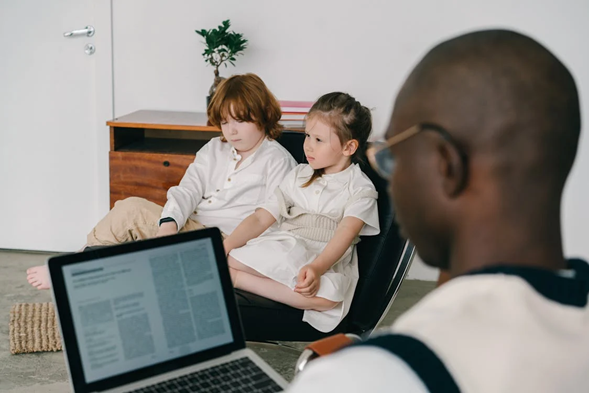
Why do some children act out while others quietly slip through the cracks in the same classroom?
Something is being overlooked. A child’s behavior is often treated as the issue but it is usually a signal of something deeper. What shows up in early learning spaces is shaped by emotion, environment and experience, so the real story is often hidden beneath actions that seem simple on the surface.
Classrooms are being asked to do more than ever before. Expectations have been expanded beyond academics and emotional development is now being recognized as equally important. When children feel disconnected, their behavior reflects that gap, so support must be rethought in ways that focus on connection rather than correction.
In this blog, we will share how early learning environments are shifting from managing behavior to building belonging, why this shift matters today and how support systems are being redesigned to meet children where they are.
When Behavior Is a Signal, Not a Problem
Behavior is communication. It is often misunderstood in busy classrooms. A child who struggles to sit still is not always defiant and those actions often reflect unmet needs.
Patterns form early. Emotions are shaped by home and daily experiences. When stress is present, behavior becomes a coping tool. Teachers face pressure. Quick responses are expected, so deeper causes are missed. This leads to repeated correction without real change.
A new approach is emerging. The focus is shifting from stopping behavior to understanding it and children are given space to be supported, not controlled.
The People Behind the Support
Support is not a solo effort. It is built through collaboration and shared understanding across roles. A social worker and counselor are often involved in early learning spaces and their presence adds depth to how student needs are addressed. These professionals look beyond the classroom. They consider family dynamics, emotional stress and environmental factors that shape behavior over time. When a child struggles, the focus is not placed only on the child; the wider context is explored to understand what might be influencing that struggle.
And it’s the small moments where the real work happens – a quiet conversation with a caregiver or a short interaction during play can reveal more than formal assessments. These insights help create support plans that feel realistic, so families are more likely to engage and follow through.
The impact is often subtle. Changes may not appear dramatic at first but consistency builds over time and those small adjustments begin to shift how a child feels and responds. That shift is what creates lasting progress.
Shifting from Control to Connection
Control feels immediate. It offers quick solutions that seem effective in the moment. However, connection creates lasting change and that is where the real work is being focused.
Children need to feel safe before they can learn. When they sense understanding, their defenses lower and they become more open to guidance. This is why connection is being prioritized in early learning spaces, because it builds trust that supports growth.
Simple strategies are often used to strengthen this connection. These approaches may seem small but they are designed to meet children where they are:
- Consistent routines that create a sense of security
- Calm responses that reduce emotional escalation
- Play-based interactions that encourage communication
- Positive reinforcement that builds confidence
Each of these strategies supports belonging. They are not complex but they are effective because they align with how children naturally develop. When used consistently, they create an environment where children feel included rather than corrected.
The Role of Environment in Shaping Behavior
Environment matters more than it seems. It is often overlooked – yet it plays a significant role in how children behave and interact. A chaotic or unpredictable setting can increase stress and that stress often shows up in behavior.
Spaces are being redesigned with intention. Classrooms are arranged to reduce overstimulation. Quiet areas are being created for children who need a break. The changes seem simple. They matter more than they appear. They shape how children feel throughout the day.
Home environments also play a role. Families are navigating challenges such as financial pressure, long work hours and limited support systems. These realities shape how children arrive at school, so understanding them is essential for meaningful intervention.
When environment is considered, support becomes more effective. It allows educators to respond with empathy rather than frustration and that response helps children feel understood. Feeling understood is often the first step toward change.
Why Belonging Is the Real Goal
Belonging changes everything. It shifts how children see themselves and how they engage with others. When children feel like they are part of something, their behavior begins to reflect that sense of connection.
This is not just about comfort – it is about creating a foundation for learning that feels stable and supportive. When belonging is present, children are more likely to participate, take risks and build relationships.
The absence of belonging has the opposite effect. Children who feel disconnected may withdraw or act out and those responses can be misunderstood as lack of ability or discipline. In reality, they often reflect unmet emotional needs.
Schools are beginning to recognize this difference. The focus is being moved toward inclusion and emotional safety. Because those elements support both behavior and learning. This shift is not quick but it is necessary.
A Future Built on Understanding
Change is already happening. We can see it happening in real time. Early learning spaces are being reshaped by new ideas about support and development. These ideas are grounded in understanding rather than reaction and that approach is creating better outcomes for children.
Challenges still exist, yes. Resources are limited in many schools and not every classroom has access to the support it needs. That is also a fact. The good news is that awareness is growing and that awareness is driving change at both local and broader levels.
The goal is not perfection – it is progress that feels meaningful and sustainable. When children are supported early, their paths begin to shift and those shifts carry forward into later years.

Leave a Reply