
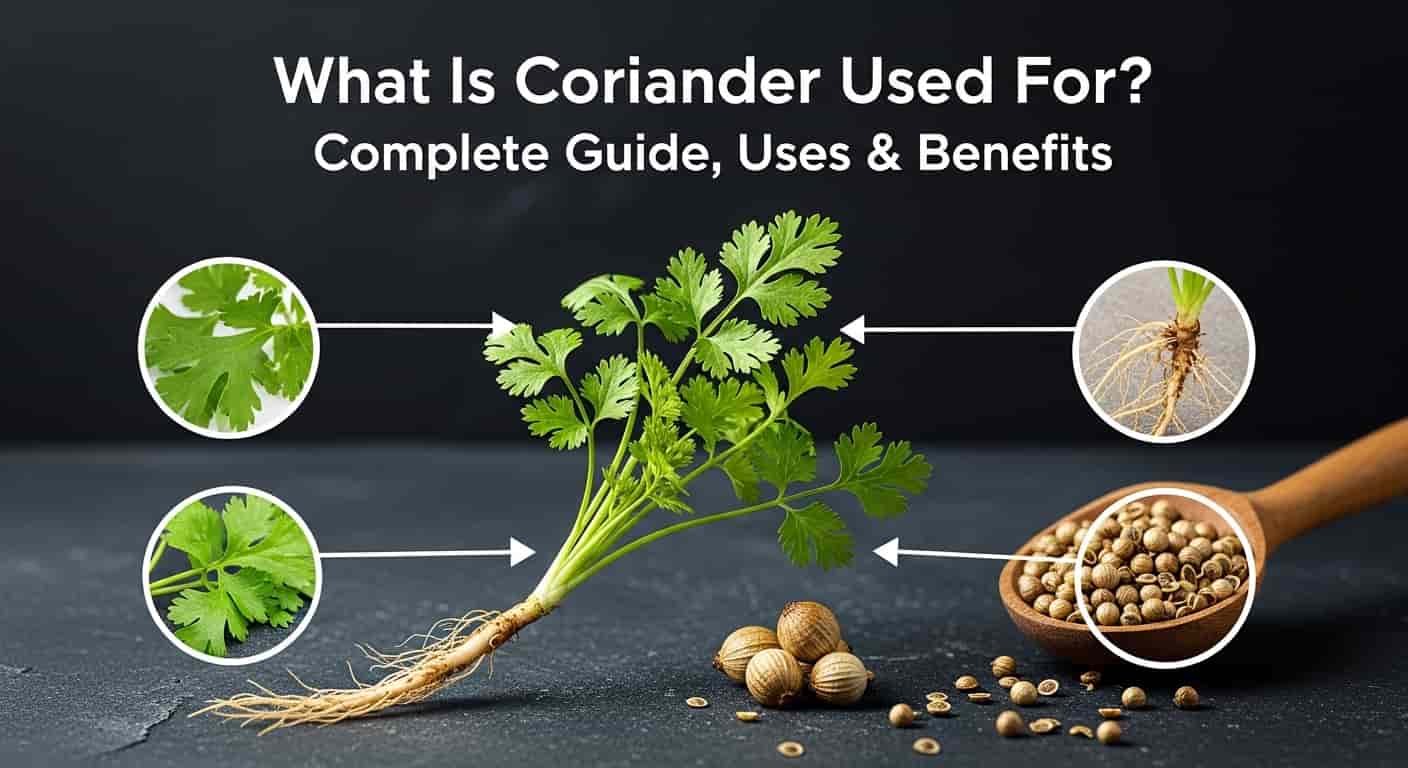
Coriander is one of the most commonly used herbs in the world. It is known for its fresh smell, unique taste, and many health benefits. People use coriander in cooking, traditional medicine, and even skincare. Both coriander leaves and coriander seeds are useful, but many people are confused about their uses. This is why the question “what is coriander used for?” is asked so often.
In this complete guide, you will learn everything about coriander—its origin, taste, culinary uses, health benefits, side effects, storage tips, and how to grow it at home. This article is written in simple English so anyone can understand it easily.
What Is Coriander?
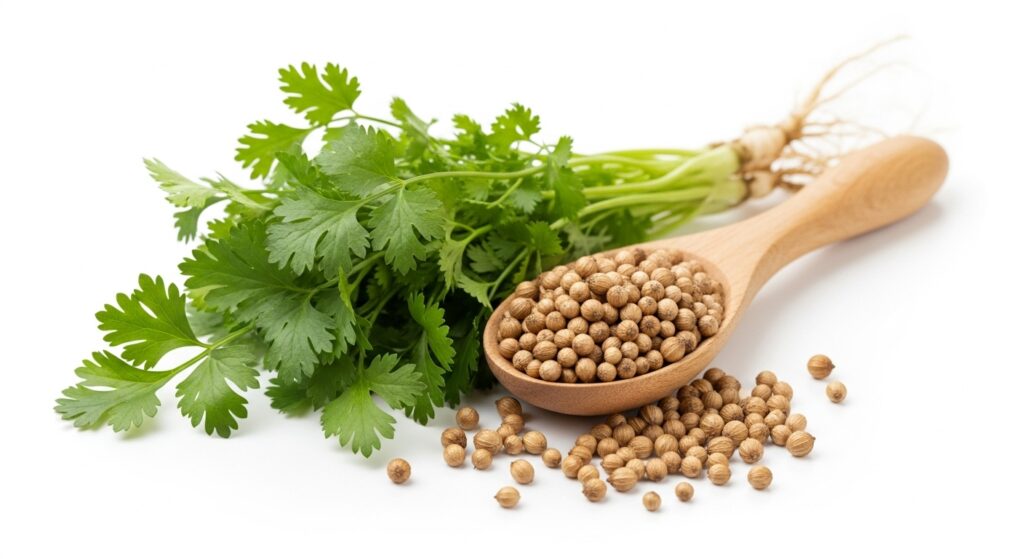
Coriander is an herb that comes from the plant Coriandrum sativum. It belongs to the parsley family. Almost every part of the plant can be used, including the leaves, seeds, and roots. The leaves are fresh and green, while the seeds are small, round, and light brown when dried.
Coriander has been used for thousands of years in different cultures. Ancient Egyptians, Greeks, and Romans all used coriander for food and medicine.
Where Does Coriander Come From?
Coriander is believed to have originated in the Mediterranean region, Southern Europe, and Western Asia. Over time, it spread to other parts of the world through trade and travel.
Today, coriander is widely grown in:
- India and Pakistan
- China
- Middle Eastern countries
- Africa
- Mexico and South America
Because it grows easily, coriander is now available almost everywhere.
What Does Coriander Taste Like?
Coriander has different flavors depending on which part you use:
- Fresh coriander leaves taste fresh, citrusy, and slightly peppery
- Coriander seeds have a warm, mild, slightly sweet, and nutty flavor
Some people feel coriander tastes like soap. This is caused by a genetic trait and is completely normal.
Fresh vs Dried Coriander – What’s the Difference?
Fresh and dried coriander are used in different ways.
Fresh Coriander (Leaves):
- Used as garnish
- Added to salads, chutneys, and sauces
- Gives a fresh and light flavor
Dried Coriander (Seeds or Powder):
- Used as a spice
- Added during cooking
- Gives warmth and depth to dishes
Both forms are important and cannot always replace each other.
Difference Between Coriander and Cilantro
Coriander and cilantro come from the same plant, but the names change by region.
- In the United States, the leaves are called cilantro and the seeds are called coriander
- In the UK, Asia, and many other countries, the whole plant is called coriander
There is no actual difference—only the name changes.
Also read:Siozinis
What Is Coriander Used For?
Coriander is used for many purposes, mainly in cooking, health, and traditional remedies. Different parts of the plant serve different roles.
Culinary Uses of Coriander
Coriander is widely used to:
- Add flavor and aroma to food
- Balance spicy and rich dishes
- Enhance the overall taste of meals
Fresh leaves are usually added at the end of cooking, while seeds are cooked longer.
What Cuisines Use Coriander?
Coriander is an important ingredient in many cuisines, including:
- Indian and Pakistani cuisine
- Middle Eastern dishes
- Mexican food like salsa and guacamole
- Thai and Chinese cooking
- African and Mediterranean recipes
Its ability to blend with spices makes it very popular.
How to Use Coriander in Cooking
You can use coriander in many ways:
- Sprinkle fresh leaves on curries and soups
- Mix chopped coriander into salads
- Use coriander seeds in spice blends
- Grind seeds into powder for cooking
- Use roots in Thai pastes
Each form adds a different taste to food.
How to Prepare Coriander
To prepare coriander properly:
- Wash fresh leaves thoroughly
- Remove damaged stems
- Dry gently before use
- Toast seeds lightly to enhance flavor
- Grind seeds only when needed
Proper preparation improves taste and freshness.
Complimentary Herbs and Spices
Coriander pairs well with:
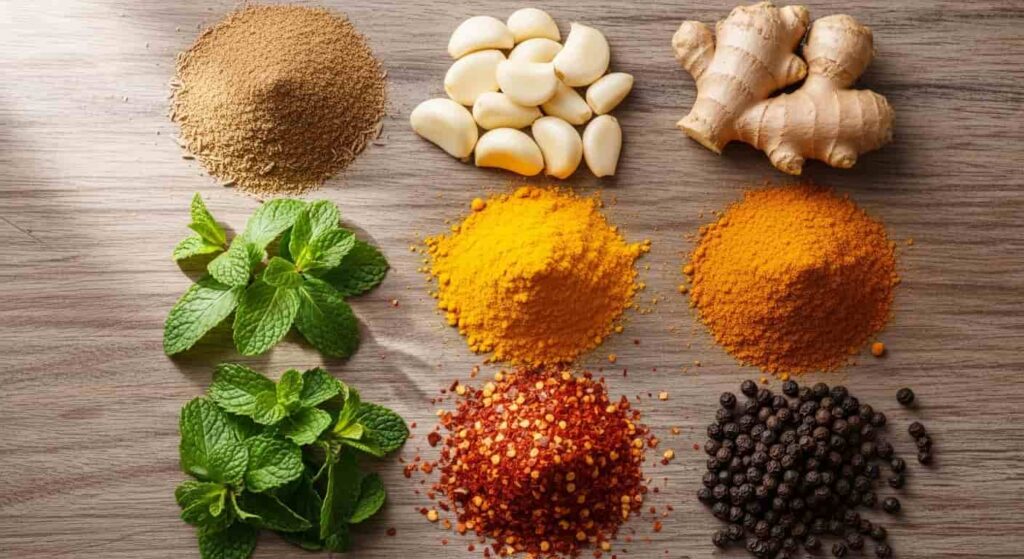
- Cumin
- Garlic
- Ginger
- Turmeric
- Mint
- Chili
- Black pepper
These combinations are common in many traditional recipes.
Substitutes for Coriander
If coriander is not available, you can use substitutes:
- Parsley for fresh leaves
- Basil or dill for mild flavor
- Cumin or caraway for seeds
The taste will not be exactly the same, but it can still work.
Health Benefits of Coriander
Coriander is not just a flavoring herb; it also offers many health benefits.
Helps Lower Blood Sugar
Coriander may help reduce blood sugar levels by supporting insulin function. This makes it helpful for people managing diabetes when used in moderation.
Rich in Antioxidants
Coriander contains antioxidants that help protect the body from damage caused by free radicals. These antioxidants support overall health and immunity.
Supports Heart Health
Coriander may help lower bad cholesterol (LDL) and improve good cholesterol (HDL). This supports heart health and may reduce the risk of heart disease.
Improves Digestion
Coriander is commonly used to:
- Reduce gas and bloating
- Improve appetite
- Support healthy digestion
Coriander seed water is often used for stomach problems.
Fights Infections
Coriander has antibacterial properties. Some studies suggest it may help fight harmful bacteria and support the immune system.
Skin Health Benefits
Coriander may help with:
- Acne
- Rashes
- Skin irritation
It is often used in natural skincare remedies.
Also read:çbiri
Brain Health Support
Coriander may help reduce anxiety and stress. Some research suggests it could support brain health and improve mood.
Nutritional Value of Coriander
Coriander is low in calories but rich in nutrients.
Nutrients Found in Coriander
- Vitamin C
- Vitamin K
- Vitamin A
- Fiber
- Calcium
- Iron
- Magnesium
Coriander seeds also contain essential oils that have health benefits.
Side Effects and Safety
Coriander is generally safe for most people when used in food amounts.
Side Effects of Coriander
Possible side effects include:
- Allergic reactions
- Stomach discomfort (rare)
- Increased sensitivity to sunlight
These effects are uncommon.
Special Precautions and Warnings
- Pregnant and breastfeeding women should use coriander in normal food amounts
- People with low blood sugar should monitor levels
- Avoid excessive medicinal use without professional advice
Drug Interactions with Coriander
Coriander may interact with certain medications.
Medications for Diabetes
May cause blood sugar to drop too low.
Blood Pressure Medicines
May increase blood pressure-lowering effects.
Sedatives
May increase drowsiness.
Photosensitizing Drugs
May increase skin sensitivity to sunlight.
Buying, Storing, and Growing Coriander
Where to Buy Coriander
Coriander is available at:
- Local grocery stores
- Vegetable markets
- Online spice shops
Both fresh and dried forms are easy to find.
How to Store Coriander
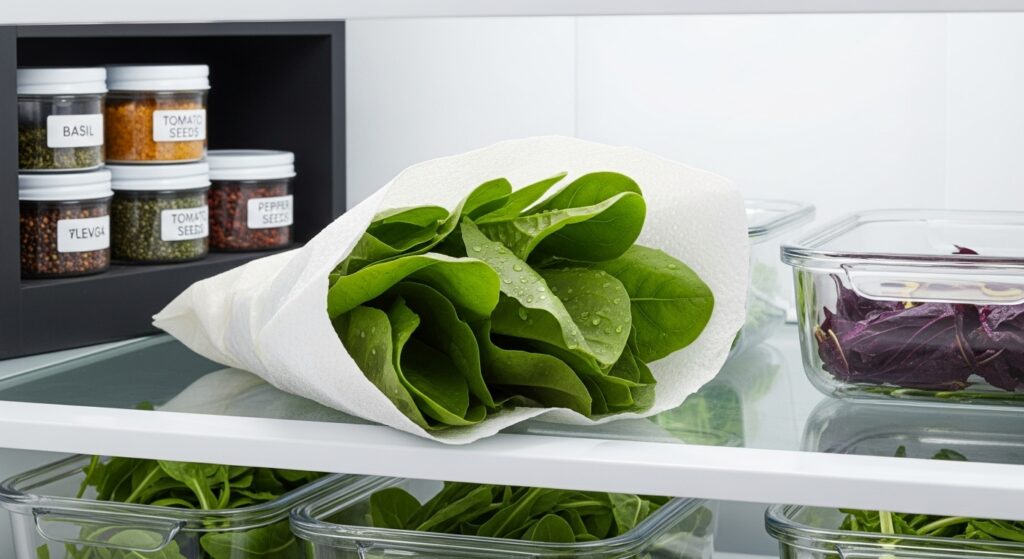
- Wrap fresh leaves in a damp paper towel
- Store in the refrigerator
- Keep seeds in airtight containers away from light
Can You Freeze Coriander?
Yes, coriander can be frozen:
- Chop fresh leaves
- Place in ice cube trays
- Add water or oil and freeze
Frozen coriander keeps flavor longer.
How Long Does Coriander Last?
- Fresh leaves: 7–10 days in the fridge
- Coriander seeds: Up to 1 year if stored properly
When Not to Use Coriander
Avoid using coriander if:
- It smells bad
- It has mold
- You are allergic to it
How to Grow Coriander at Home
Coriander is easy to grow:
- Use well-drained soil
- Place in sunlight
- Water regularly
- Harvest leaves early
It grows well in pots and gardens.
FAQs:
1. What is coriander mainly used for?
Coriander is mainly used for cooking to add flavor and aroma to dishes. It is also used for health benefits like digestion and blood sugar control.
2. Can coriander be eaten raw?
Yes, fresh coriander leaves can be eaten raw. They are commonly added to salads, chutneys, and garnishes.
3. Is coriander good for digestion?
Yes, coriander helps improve digestion and reduce gas and bloating. Coriander seed water is especially popular for stomach issues.
4. Can coriander help control blood sugar?
Coriander may help lower blood sugar levels by supporting insulin activity. However, it should not replace medical treatment.
5. Is coriander safe to eat every day?
Yes, coriander is safe for daily use when eaten in normal food amounts. Excessive medicinal use should be avoided.
6. What part of coriander is most useful?
Both parts are useful. Leaves are best for fresh flavor, while seeds are used as a spice and for health benefits.
7. Why does coriander taste like soap to some people?
This happens due to a genetic trait that affects how certain compounds in coriander are perceived. It is completely natural.
8. Can coriander cause side effects?
Coriander is usually safe, but some people may experience allergies or mild stomach upset. Rarely, it can increase sun sensitivity.
9. How should coriander be stored to keep it fresh?
Fresh coriander should be stored in the refrigerator wrapped in a damp paper towel. Seeds should be kept in an airtight container.
10. Can coriander help with skin problems?
Yes, coriander may help reduce acne, irritation, and rashes due to its antibacterial and antioxidant properties.
Conclusion:
Coriander is a powerful and versatile herb with many uses. From enhancing the taste of food to supporting digestion, heart health, and skin care, coriander plays an important role in daily life. Both fresh leaves and dried seeds offer unique benefits.
Now you clearly understand what coriander is used for, how to use it properly, and how to store and grow it. Adding coriander to your diet is an easy and natural way to improve both flavor and health.
Related post:

Leave a Reply