
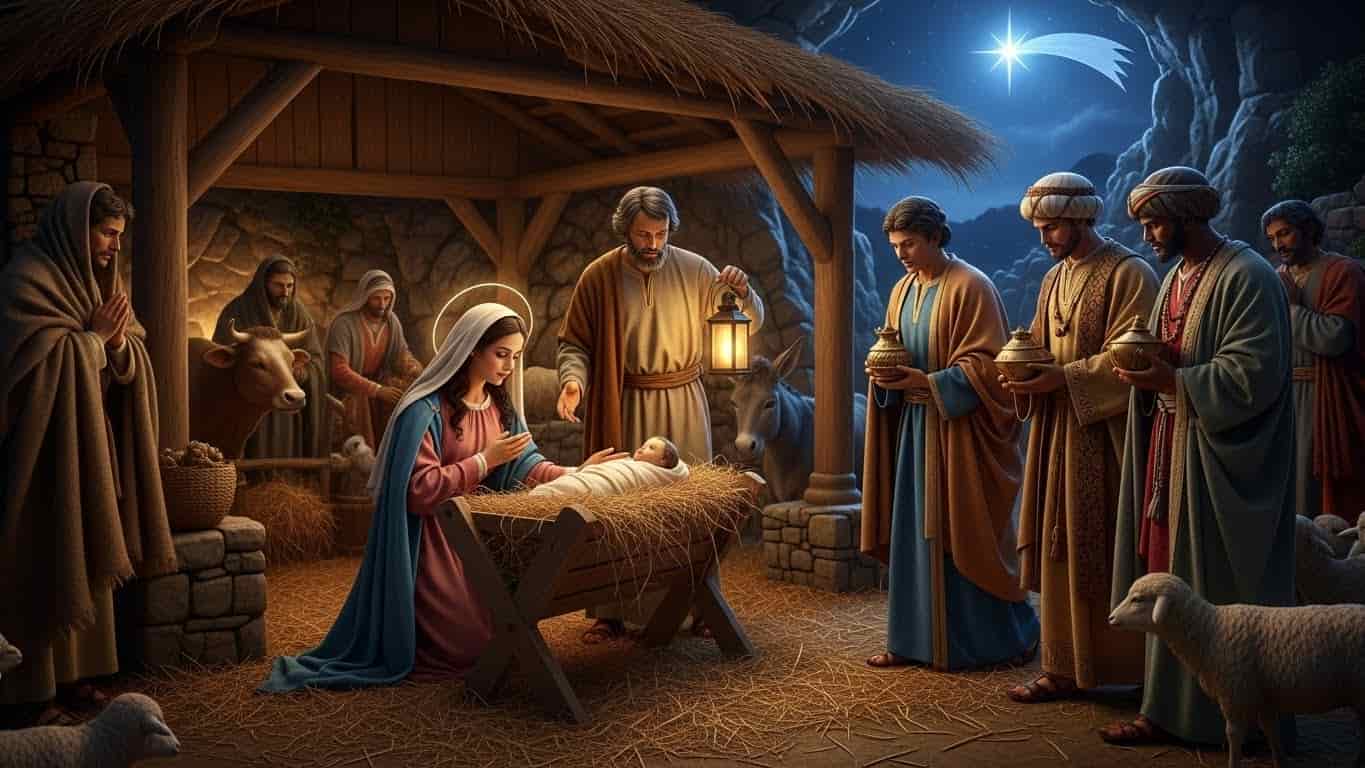
The term Nativität is closely linked with the birth of Jesus Christ and is one of the most meaningful concepts in Christianity. It represents not only a religious event but also a cultural and historical tradition that has shaped Christmas celebrations across the world. From church teachings to art, music, and family traditions, the idea of Nativität has remained important for centuries.
This article explains the meaning, origin, history, symbolism, and modern importance of Nativität in clear and simple English.
Was bedeutet Nativität?
Nativität einfache Erklärung
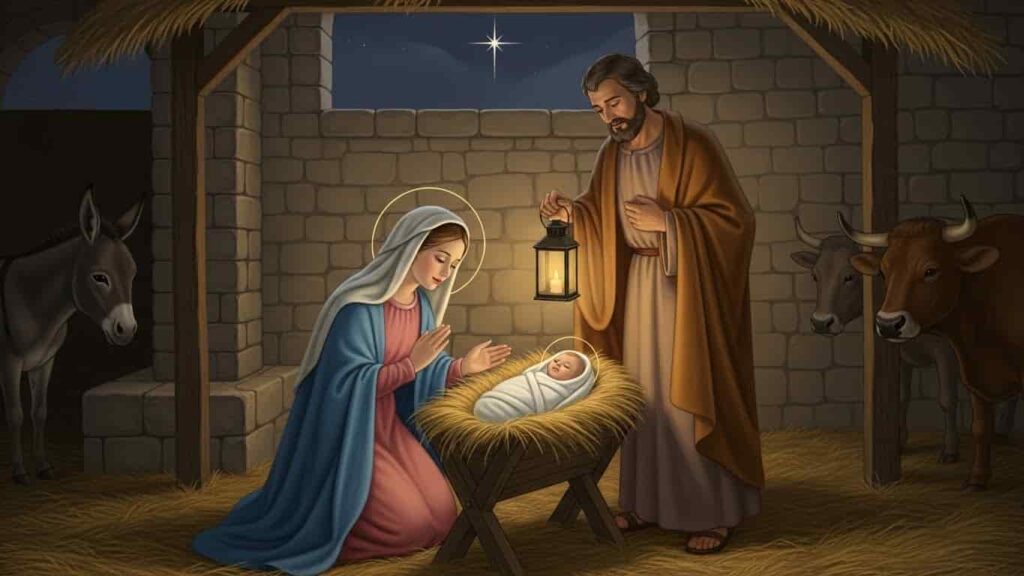
Nativität simply means birth. In religious terms, it refers specifically to the birth of Jesus Christ. When people talk about the Nativität, they are usually describing the moment when Jesus was born in Bethlehem and the events surrounding his birth.
The word is mainly used in religious texts, history books, and discussions about Christmas.
Wortherkunft von Nativität
The word Nativität comes from the Latin term “nativitas”, which means birth or origin. Over time, this word became closely associated with the birth of Jesus. Many European languages adopted similar words, all connected to the same meaning.
Religiöse und kulturelle Bedeutung
Religiously, the Nativität is important because Christians believe Jesus is the Son of God who came to guide humanity. Culturally, the Nativität has influenced Christmas customs, songs, decorations, and family gatherings. Even people who are not religious often recognize its cultural importance.
Ursprung der Nativität
Historischer Hintergrund der Nativität
The Nativität is believed to have taken place more than 2,000 years ago in Bethlehem. At that time, the region was ruled by the Roman Empire. A census required people to travel to their hometowns, which explains why Mary and Joseph were in Bethlehem when Jesus was born.
This historical setting gives the Nativität a strong connection to real events and places.
Biblischer Ursprung der Nativität
The story of the Nativität is found in the Bible, mainly in the Gospels of Matthew and Luke. These books describe Mary’s pregnancy, the journey to Bethlehem, the birth of Jesus, and the visit of shepherds and wise men.
These biblical accounts form the foundation of how Christians understand and remember the Nativität.
Warum Nativität im Christentum wichtig ist
The Nativität is important because it marks the beginning of Jesus’ life on Earth. Christians believe that Jesus came to bring hope, forgiveness, and salvation. Without the Nativität, the message of Christianity would not exist.
Nativität in der christlichen Tradition
Bedeutung der Geburt Jesu
The birth of Jesus represents love, peace, and new beginnings. Christians see it as a sign that God is close to humanity. Jesus’ humble birth teaches that spiritual value is more important than wealth or power.
Rolle von Maria und Josef
Mary and Joseph are central figures in the Nativität story. Mary is honored for her faith and acceptance of God’s plan. Joseph is respected for his responsibility and care for his family. Together, they symbolize trust, obedience, and strong family values.
Symbolik der Krippe
The manger or crib is one of the strongest symbols of the Nativität. It shows humility and simplicity. Jesus was born in a modest place, reminding people that kindness and compassion matter more than luxury.
Also read:Koriandri
Nativität und Weihnachten
Zusammenhang zwischen Nativität und Weihnachten
Christmas is the celebration of the Nativität. It exists because of the belief in Jesus’ birth. Churches, families, and communities come together during Christmas to remember this event.
Warum Nativität an Weihnachten gefeiert wird
December 25 was chosen as the symbolic date to celebrate the birth of Jesus. While the exact date is unknown, Christmas became the traditional time to focus on joy, light, and hope.
Traditionen rund um die Nativität
Many traditions are linked to the Nativität, including nativity plays, church services, Christmas carols, and decorating homes with nativity scenes. These customs help pass the story from one generation to the next.
Nativität Szene (Krippenszene) erklärt
Was ist eine Nativity Scene?
A Nativitätsszene is a visual display that shows the birth of Jesus. It usually includes figures arranged around a manger and is displayed in homes, churches, and public places during Christmas.
Wichtige Figuren der Nativität
The main figures include:
- Baby Jesus
- Mary and Joseph
- Shepherds
- Angels
- Wise Men
- Animals
Each figure plays a role in telling the complete story.
Bedeutung der einzelnen Elemente
Every element has meaning. The star represents guidance, angels symbolize good news, and shepherds show that the message of Jesus is for everyone, not just the rich or powerful.
Nativität in Kunst und Kultur
Nativität in Gemälden
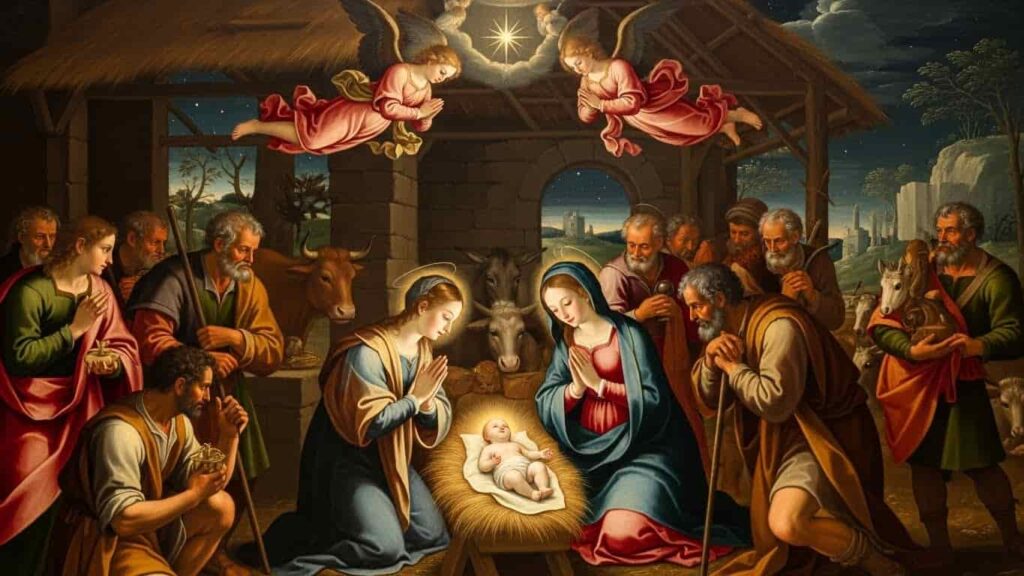
Artists throughout history have painted scenes of the Nativität. These paintings were especially important in times when many people could not read. Art helped explain the story visually and emotionally.
Nativität in Skulpturen
Sculptures and carved figures of the Nativität are common in churches and town squares. They allow people to experience the story in a physical and meaningful way.
Einfluss der Nativität auf europäische Kultur
The Nativität has influenced European music, literature, theater, and festivals. Christmas markets, songs, and seasonal celebrations are deeply connected to this story.
Moderne Bedeutung der Nativität
Nativität heute erklärt
Today, the Nativität is both a religious belief and a cultural tradition. For believers, it is a sacred event. For others, it represents family, generosity, and togetherness.
Religiöse vs. kulturelle Bedeutung
Religiously, the Nativität focuses on faith and worship. Culturally, it brings people together during Christmas, even if they do not follow the Christian religion.
Warum Nativität auch heute relevant ist
In a modern world full of stress and conflict, the message of the Nativität—peace, kindness, and humility—remains very important. It encourages people to care for others and value simple joys.
FAQs:
1. Was bedeutet Nativität?
Nativität means the birth of Jesus Christ. It refers to the events surrounding his birth in Bethlehem.
2. Woher stammt der Begriff Nativität?
The word comes from Latin “nativitas”, which means birth or origin. Over time, it became connected to Jesus’ birth.
3. Wann ist die Nativität gefeiert?
The Nativität is celebrated on December 25, during Christmas. This date is symbolic and focuses on joy and light.
4. Wer sind die wichtigsten Personen in der Nativität?
The main figures are Jesus, Mary, Joseph, angels, shepherds, and the Wise Men. Each figure has a symbolic role.
5. Warum ist die Nativität wichtig für Christen?
It marks the beginning of Jesus’ life on Earth and shows God’s love, humility, and the path to salvation.
6. Was ist eine Nativity Scene?
A Nativitätsszene, or nativity scene, is a visual display of Jesus’ birth. It includes figures of Mary, Joseph, baby Jesus, shepherds, and animals.
7. Welche Symbole sind mit der Nativität verbunden?
Key symbols include the star (guidance), angels (good news), and the manger (humility).
8. Ist die Nativität nur religiös?
No. While it is mainly a religious event, it also has cultural and historical importance, especially during Christmas celebrations.
9. Wie hat die Nativität die Kunst beeinflusst?
The Nativität inspired paintings, sculptures, music, and literature, spreading the story across Europe and the world.
10. Warum ist die Nativität auch heute noch relevant?
Its message of peace, kindness, and family values is important in modern life, reminding people to care for others and celebrate hope.
Conclusion:
The Nativität is more than just the birth of Jesus Christ. It represents hope, peace, humility, and love, values that have guided Christians for centuries. Beyond religion, it has influenced art, culture, and traditions, making it an important part of society even today. Celebrating the Nativität reminds us to cherish family, kindness, and the simple joys of life.
Related post:

Leave a Reply