

Koriandri, widely known as coriander in English, is one of the most popular herbs used globally for cooking, medicine, and wellness. Known for its fresh aroma, unique flavor, and numerous health benefits, koriandri has been an essential part of traditional kitchens and herbal remedies for centuries. It is used in both fresh and dried forms, including seeds, leaves, and powder. From boosting digestion to improving skin health, koriandri is versatile and safe when used properly. This guide will explain everything you need to know about koriandri in detail.
What Is Koriandri?
Simple definition
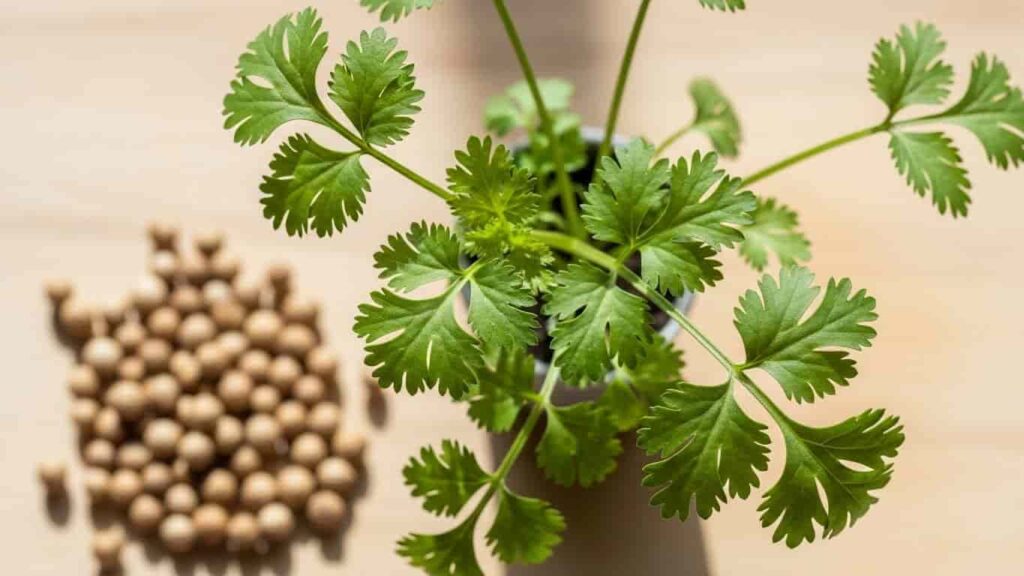
Koriandri is a plant whose leaves, stems, and seeds are used for culinary and medicinal purposes. Fresh leaves are often called cilantro, while seeds are known as coriander seeds. The herb has a slightly citrusy flavor and a refreshing aroma that makes it popular in kitchens worldwide.
What koriandri is commonly used for
Koriandri is used in food, drinks, herbal teas, and natural remedies. Fresh leaves are commonly added to salads, chutneys, and garnishes, while dried seeds are used as spices in curries, soups, and baked dishes. Beyond cooking, it is also used in home remedies to relieve bloating, gas, or mild digestive discomfort.
Why koriandri is important
Koriandri is important for its nutritional content and natural healing properties. It is a rich source of vitamins, minerals, and antioxidants that help strengthen immunity, support digestion, and promote overall health. Additionally, its versatile use in both traditional and modern kitchens makes it indispensable for daily life.
Origin and Background of Koriandri
Historical background
Koriandri has been cultivated for over 3,000 years. Ancient Egyptians used it as both food and medicine. It later spread to Europe, Asia, and the Americas through trade. Historical records show that koriandri seeds were valued for their aroma and digestive properties in ancient societies.
Traditional importance
In Ayurveda and traditional medicine, koriandri is considered a cooling herb that balances the body’s natural systems. It was used to treat digestive issues, reduce inflammation, and maintain a healthy metabolism. Many traditional households still rely on koriandri for home remedies.
Cultural relevance
Koriandri holds cultural significance in several countries. In India and Pakistan, fresh leaves are added to almost every dish. In Mexico, it is known as cilantro and is used in salsas, tacos, and soups. Across the Mediterranean, koriandri seeds are used in spice mixes and traditional cooking.
Meaning of Koriandri in Different Languages
English meaning
In English, koriandri is referred to as coriander. The fresh leaves are called cilantro, and the seeds are known as coriander seeds.
Urdu & Hindi meaning
In Urdu and Hindi, koriandri is called “Dhaniya.” It is commonly mentioned in recipes and herbal remedies and is a household essential.
Local and regional terms
Different regions have unique names for koriandri, but its culinary and medicinal uses remain the same. In Latin America, the leaves are called cilantro, while in Europe, the seeds are mainly referred to as coriander.
Also read:Daith Piercing
Types of Koriandri
Fresh koriandri
Fresh koriandri leaves are bright green and have a strong, fragrant aroma. They are used as garnishes in salads, soups, curries, and sandwiches. Fresh leaves also have natural antioxidants and vitamins that support digestion and skin health.
Dry koriandri
Dry koriandri comes from the seeds of the plant. They are slightly sweet, nutty, and warm in flavor. Dry seeds are commonly roasted to enhance flavor before being added to curries, stews, and spice blends.
Koriandri powder
Koriandri powder is made by grinding dried seeds. It is convenient for storage and can be used in spice mixes, baking, sauces, and beverages. Powdered koriandri retains most of its flavor and nutritional value for several months if stored properly.
Nutritional Value of Koriandri
Vitamins and minerals
Koriandri contains vitamins A, C, and K, which are important for vision, immunity, and blood clotting. It also provides essential minerals like potassium, calcium, and iron, which help maintain overall body functions.
Natural compounds
It is rich in antioxidants and bioactive compounds such as flavonoids and polyphenols. These compounds protect the body from oxidative stress, inflammation, and support healthy metabolism.
Calorie overview
Koriandri is very low in calories, making it a healthy addition to meals without contributing to weight gain. Even small amounts can provide significant nutritional benefits.
Health Benefits of Koriandri
Koriandri for digestion
Koriandri stimulates digestive enzymes and helps relieve bloating, gas, and constipation. Drinking koriandri tea or adding fresh leaves to meals can promote better digestion naturally.
Koriandri for immunity
Its antioxidants and vitamins strengthen the immune system, helping the body fight infections and inflammation.
Koriandri for heart health
Koriandri may help reduce cholesterol levels and regulate blood pressure. Regular inclusion in meals supports cardiovascular health.
Koriandri benefits for men and women
For women, koriandri supports skin health and hormonal balance. For men, it helps digestion, energy levels, and overall wellness. Both genders can benefit from its antioxidant and nutrient content.
Koriandri Benefits for Skin and Hair
Skin glow and cleansing

Koriandri helps detoxify the body and can enhance skin glow. Applying coriander-infused water or using it in face masks may reduce blemishes and improve complexion.
Hair strength and growth
Its vitamins and minerals support healthy hair growth, reduce hair fall, and strengthen strands. Fresh leaves or seed extracts are sometimes used in homemade hair treatments.
Natural beauty uses
Koriandri is gentle on the skin and hair, making it ideal for natural beauty routines. It can be included in masks, scrubs, and hair rinses for added benefits.
Medicinal and Herbal Uses of Koriandri
Koriandri in herbal remedies
Koriandri tea, juice, or extracts are used to relieve indigestion, nausea, and mild inflammation. Its natural compounds help soothe the digestive system.
Traditional medicine uses
Ayurveda and traditional medicine use koriandri to cool the body, aid kidney and liver function, and support metabolic balance.
Expert opinions
Nutritionists and herbal experts agree that koriandri is safe when used properly. It is praised for its nutritional content and ability to naturally support health.
Uses of Koriandri in Daily Life
Cooking and food recipes
Koriandri adds flavor to soups, stews, curries, sauces, salads, and sandwiches. Fresh leaves provide aroma, while seeds or powder enhance taste.
Home remedies
Koriandri can be used for digestive teas, mild detoxification drinks, and soothing minor digestive problems at home.
Modern lifestyle uses
It is now included in health supplements, detox powders, herbal teas, and wellness drinks. Koriandri has become a favorite among health-conscious individuals worldwide.
Koriandri vs Coriander – Key Differences
Name confusion explained
Koriandri and coriander are the same plant. The difference is mainly regional naming. Fresh leaves are usually called koriandri or cilantro, while dried seeds are coriander.
Usage comparison
Leaves are used for garnishing and fresh flavor, while seeds are used as spices. Both provide nutritional and health benefits.
Which one is better?
Neither is better; each serves a different purpose. Use fresh leaves for aroma and light flavor, seeds or powder for cooking and spice.
How to Use Koriandri Safely
Recommended daily amount
A few fresh leaves or a small pinch of seeds daily is enough to gain health benefits. Excessive use is not necessary.
Best time to use koriandri
Koriandri can be used any time during meals. Adding it to breakfast, lunch, or dinner ensures regular benefits.
Common mistakes to avoid
Avoid overuse, as too much may cause mild digestive discomfort. Wash fresh leaves thoroughly before consumption to remove dirt and pesticides.
Also read:BlogzTheHealthyPrimate.org
Side Effects of Excess Koriandri
Possible reactions
Some individuals may experience mild allergic reactions or stomach upset if koriandri is consumed in very large amounts.
Who should avoid koriandri
People with coriander allergies or very sensitive digestive systems should use it cautiously.
Safety tips
Use fresh or properly stored coriander, avoid overuse, and ensure it is cleaned well before consumption.
How to Identify and Store Pure Koriandri
How to identify pure koriandri
Fresh leaves should be vibrant green with a strong aroma. Seeds should be uniform, clean, and free of mold. Avoid discolored or old leaves and seeds.
Storage tips for freshness
Fresh leaves can be stored in the fridge in airtight containers or wrapped in damp paper towels. Dried seeds and powder should be kept in sealed containers in a cool, dry place.
Shelf life guide
Fresh leaves last up to 5–7 days in the fridge, while dried seeds and powder can last 6–12 months when stored properly.
Koriandri in Modern Health Trends
Online popularity
Koriandri has become a popular ingredient online due to its versatility, taste, and health benefits. Wellness influencers often recommend adding it to daily diets.
Use in wellness products
It is included in detox drinks, herbal powders, teas, and supplements for its digestive and immunity-boosting properties.
Research and studies
Scientific studies support koriandri’s antioxidant, anti-inflammatory, and digestive benefits. Research confirms that traditional uses of koriandri align with modern health findings.
Faqs About Koriandri
Is koriandri safe for daily use?
Yes, it is safe when consumed in moderate amounts.
Can children consume koriandri?
Yes, small amounts in meals are safe for children.
Is koriandri natural or herbal?
It is completely natural and considered an herbal ingredient.
How much koriandri should be used daily?
A few leaves or a pinch of seeds daily is enough.
Does koriandri help with digestion?
Yes, it stimulates digestive enzymes and reduces bloating.
Can koriandri improve skin health?
Yes, it detoxifies the body and supports a healthy complexion.
Does koriandri boost immunity?
Yes, it contains antioxidants and vitamins that enhance immune function.
Is koriandri suitable for weight loss?
Yes, it is low in calories and can be included in a balanced diet.
How should koriandri be stored?
Fresh leaves in the fridge, seeds/powder in airtight containers in a cool, dry place.
Are there any side effects?
Excess consumption may cause mild digestive discomfort in sensitive individuals.
Conclusion:
Koriandri is a natural and healthy herb with many benefits. It supports digestion, immunity, and skin health. Using it daily in moderation adds flavor and nutrition to meals safely. A simple herb like koriandri can make a big difference in overall wellness.
Related post:

Leave a Reply